/* Cui Law Group brand tokens — re-declared inside .ge-article so the
* scoped block reads correctly even when the host theme does not use
* these variable names. Numbers track the v2 theme’s globals.css. */
.ge-article {
–ge-charcoal: #1a2744;
–ge-charcoal-light: #253453;
–ge-taupe: #c4972a;
–ge-taupe-light: #d4a73a;
–ge-taupe-muted: rgba(196, 151, 42, 0.10);
–ge-warm-white: #f5f6f8;
–ge-text-secondary: #4a4a4a;
–ge-text-light: #888888;
–ge-border: #e0e0e0;
–ge-border-light: #f0f0f0;
–ge-serif: ‘Playfair Display’, ‘Noto Serif SC’, Georgia, serif;
–ge-sans: ‘Noto Sans SC’, ‘DM Sans’, -apple-system, BlinkMacSystemFont, sans-serif;
–ge-mono: ‘DM Sans’, sans-serif;
font-family: var(–ge-sans);
font-size: 0.95rem;
line-height: 1.85;
color: var(–ge-text-secondary);
font-weight: 300;
}
.ge-article p { margin: 0 0 18px; }
.ge-article a {
color: var(–ge-taupe);
text-decoration: underline;
text-underline-offset: 2px;
}
.ge-article a:hover { color: var(–ge-charcoal); }
.ge-article strong { font-weight: 500; color: var(–ge-charcoal); }
.ge-article em { font-style: italic; }
/* Section hierarchy — serif charcoal, generous breathing room */
.ge-article h1, .ge-article h2, .ge-article h3,
.ge-article h4, .ge-article h5, .ge-article h6 {
font-family: var(–ge-serif);
font-weight: 600;
color: var(–ge-charcoal);
line-height: 1.35;
}
.ge-article h1 { font-size: 1.6rem; margin: 44px 0 18px; line-height: 1.3; }
.ge-article h2 { font-size: 1.4rem; margin: 44px 0 16px; }
.ge-article h3 { font-size: 1.15rem; margin: 32px 0 12px; }
.ge-article h4 { font-size: 1rem; margin: 24px 0 10px; }
.ge-article h2:first-child,
.ge-article h1:first-child { margin-top: 0; }
/* Lede — first paragraph stands out a touch */
.ge-article > p.ge-lede {
font-size: 1.05rem;
line-height: 1.85;
font-weight: 400;
color: var(–ge-charcoal-light);
}
/* Lists — taupe filled-circle marker via ::before so theme list-style
* resets cannot hide bullets */
.ge-article ul,
.ge-article ol {
margin: 14px 0 22px 0;
padding-left: 1.5em;
}
.ge-article li { margin: 0 0 6px; }
.ge-article ul > li { list-style: none; position: relative; }
.ge-article ul > li::before {
content: “”;
position: absolute;
left: -1em;
top: 0.65em;
width: 6px;
height: 6px;
border-radius: 50%;
background: var(–ge-taupe);
opacity: 0.85;
}
.ge-article ol > li { list-style: decimal; color: var(–ge-text-secondary); }
.ge-article ol > li::marker { color: var(–ge-taupe); font-variant-numeric: tabular-nums; }
/* Pull-quote blockquote */
.ge-article blockquote {
margin: 22px 0;
padding: 14px 20px;
border-left: 3px solid var(–ge-taupe);
background: var(–ge-warm-white);
color: var(–ge-text-secondary);
font-style: italic;
}
.ge-article blockquote p:last-child { margin-bottom: 0; }
/* Code */
.ge-article code {
background: rgba(26, 39, 68, 0.05);
padding: 2px 6px;
border-radius: 4px;
font-size: 0.88em;
font-family: ui-monospace, “SF Mono”, Menlo, monospace;
}
.ge-article pre {
background: rgba(26, 39, 68, 0.04);
padding: 1em 1.15em;
border-radius: 8px;
overflow-x: auto;
font-size: 0.88em;
}
.ge-article pre code { background: transparent; padding: 0; }
/* Tables */
.ge-article table {
width: 100%;
border-collapse: collapse;
margin: 1.5em 0;
font-size: 0.92em;
}
.ge-article th, .ge-article td {
text-align: left;
padding: 0.55em 0.7em;
border-bottom: 1px solid var(–ge-border-light);
}
.ge-article th { font-weight: 600; color: var(–ge-charcoal); }
/* Byline — DM Sans tracked uppercase, taupe accent */
.ge-article .ge-byline {
font-family: var(–ge-mono);
font-size: 0.72rem;
letter-spacing: 0.12em;
text-transform: uppercase;
color: var(–ge-text-light);
margin: 0 0 0.6em;
font-weight: 500;
}
.ge-article .ge-byline strong { color: var(–ge-charcoal); font-weight: 600; }
.ge-article .ge-byline-rule {
border: 0;
border-top: 1px solid var(–ge-border);
margin: 0 0 2em;
width: 100%;
}
/* Imagery */
.ge-article figure { margin: 2em 0; text-align: center; }
.ge-article figure.ge-hero { margin: 0.5em 0 2.5em; }
.ge-article figure img {
display: block;
width: 100%;
height: auto;
max-height: 380px;
object-fit: cover;
border-radius: 8px;
}
.ge-article figure.ge-inline img { max-height: 320px; }
.ge-article figcaption {
font-size: 0.78em;
font-style: italic;
color: var(–ge-text-light);
margin-top: 0.55em;
font-family: var(–ge-mono);
}
.ge-article figcaption a { color: var(–ge-text-light); text-decoration: none; }
.ge-article figcaption a:hover { color: var(–ge-taupe); }
/* End-of-article mark */
.ge-article .ge-end {
text-align: center;
letter-spacing: 0.6em;
color: var(–ge-taupe);
opacity: 0.5;
margin: 3em 0 2em;
font-size: 1.2em;
}
/* CTA card — warm-white surface + taupe primary action */
.ge-article .ge-cta {
margin: 2em 0 1em;
padding: 26px 28px 24px;
background: var(–ge-warm-white);
border: 1px solid var(–ge-border-light);
border-radius: 14px;
}
.ge-article .ge-cta h3 {
margin: 0 0 6px;
font-size: 1.2rem;
font-family: var(–ge-serif);
color: var(–ge-charcoal);
font-weight: 600;
}
.ge-article .ge-cta-rule {
border: 0;
border-top: 2px solid var(–ge-taupe);
width: 36px;
margin: 0 0 12px;
}
.ge-article .ge-cta p {
margin: 0 0 14px;
color: var(–ge-text-secondary);
font-weight: 300;
}
.ge-article .ge-cta-actions { margin: 0; }
.ge-article .ge-cta-btn {
display: inline-block;
padding: 11px 22px;
border-radius: 4px;
font-family: var(–ge-sans);
font-weight: 600;
font-size: 0.9rem;
text-decoration: none;
margin-right: 8px;
margin-bottom: 8px;
}
.ge-article .ge-cta-btn-primary {
background: var(–ge-taupe);
color: #fff;
border: 0;
}
.ge-article .ge-cta-btn-primary:hover { background: var(–ge-taupe-light); color: #fff; }
.ge-article .ge-cta-btn-primary > span { color: #fff; }
.ge-article .ge-cta-btn-secondary {
background: transparent;
color: var(–ge-charcoal);
border: 1.5px solid var(–ge-border);
}
.ge-article .ge-cta-btn-secondary:hover { border-color: var(–ge-taupe); color: var(–ge-taupe); }
/* —– Sticky top CTA banner ———————————————
* Always-visible call-to-action so the visitor never has to scroll back
* to the bottom CTA card. Rendered as a sibling of `.ge-article` so any
* theme-applied transforms on the article wrapper do not break the
* fixed-positioning containing block. The banner stays hidden until the
* visitor has scrolled past the lede (~280 px) — no point covering the
* headline on first paint.
*
* Colours are deliberately fixed (dark bar, light text) rather than
* derived from `currentColor`, because the banner is overlaid on the
* page and needs guaranteed contrast even on dark themes.
*/
.ge-sticky-cta {
position: fixed;
top: 0;
left: 0;
right: 0;
z-index: 9999;
background: rgba(20, 20, 20, .94);
color: #fff;
font: 500 0.95em/1.4 -apple-system, BlinkMacSystemFont, “Segoe UI”, Roboto, sans-serif;
padding: 0.7em 1em;
display: flex;
align-items: center;
gap: 0.85em;
box-shadow: 0 2px 14px rgba(0, 0, 0, .18);
transform: translateY(-105%);
transition: transform .25s ease-out;
-webkit-backdrop-filter: saturate(140%) blur(8px);
backdrop-filter: saturate(140%) blur(8px);
}
.ge-sticky-cta[data-ge-visible=”true”] { transform: translateY(0); }
.ge-sticky-cta-text { flex: 1 1 auto; min-width: 0; }
.ge-sticky-cta-text strong { font-weight: 600; }
.ge-sticky-cta-sub {
display: block;
font-size: 0.82em;
opacity: 0.7;
margin-top: 0.1em;
}
.ge-sticky-cta-actions { display: flex; gap: 0.45em; align-items: center; flex: 0 0 auto; }
.ge-sticky-cta-btn {
display: inline-block;
padding: 0.55em 1.1em;
border-radius: 4px;
font-weight: 600;
font-size: 0.92em;
text-decoration: none;
background: #fff;
color: #111;
border: 0;
cursor: pointer;
white-space: nowrap;
}
.ge-sticky-cta-btn-secondary {
background: transparent;
color: #fff;
border: 1px solid rgba(255, 255, 255, .35);
}
.ge-sticky-cta-dismiss {
background: transparent;
border: 0;
color: rgba(255, 255, 255, .55);
font-size: 1.4em;
line-height: 1;
cursor: pointer;
padding: 0 0.2em;
margin-left: 0.2em;
}
.ge-sticky-cta-dismiss:hover { color: #fff; }
@media (max-width: 560px) {
.ge-sticky-cta-sub { display: none; }
.ge-sticky-cta { padding: 0.55em 0.7em; gap: 0.5em; font-size: 0.88em; }
.ge-sticky-cta-btn { padding: 0.5em 0.8em; }
}
(function () {
if (window.__geStickyCtaInit) return;
window.__geStickyCtaInit = true;
var bar = document.querySelector(‘.ge-sticky-cta’);
if (!bar) return;
var STORAGE_KEY = ‘ge_sticky_cta_dismissed’;
var SHOW_AFTER = 280;
var dismissed = false;
try { dismissed = sessionStorage.getItem(STORAGE_KEY) === ‘1’; } catch (e) {}
if (dismissed) return;
function tick() {
if (dismissed) return;
var y = window.scrollY || window.pageYOffset || 0;
bar.setAttribute(‘data-ge-visible’, y > SHOW_AFTER ? ‘true’ : ‘false’);
}
window.addEventListener(‘scroll’, tick, { passive: true });
tick();
var dismiss = bar.querySelector(‘.ge-sticky-cta-dismiss’);
if (dismiss) dismiss.addEventListener(‘click’, function () {
dismissed = true;
bar.setAttribute(‘data-ge-visible’, ‘false’);
try { sessionStorage.setItem(STORAGE_KEY, ‘1’); } catch (e) {}
});
})();
description: "Use this California checklist after a crosswalk hit to protect your health, preserve evidence, and understand fault and filing deadlines."
author: "Default site"
date: "2026-05-13"
California pedestrian accident checklist after a crosswalk hit
After a crosswalk hit in California, get medical care, report the crash, preserve evidence, and track deadlines. This California pedestrian accident checklist after a crosswalk hit helps you protect both your health and your claim.
What to do immediately after a crosswalk hit in California
If you were struck in or near a crosswalk, the first few hours matter. Your safety comes first. Your legal options come second, but early steps can make a big difference.
Use this checklist:
-
Call 911 and ask for police and medical help.
Even if you think you can walk, injuries often show up later. Head injuries, internal injuries, and soft-tissue injuries can take time to become obvious. -
Get checked by a doctor the same day if possible.
Go to the ER, urgent care, or your regular doctor. Medical records help connect the crash to your injuries. -
Tell police what happened, but stick to facts.
Say where you were crossing, what signal you had, and what you remember. Avoid guessing about speed, distance, or fault. -
Get the driver’s information.
Ask for:- Name
- License plate
- Insurance company
- Policy information
- Vehicle make and model
-
Get witness names and contact details.
Independent witnesses can be very important in a crosswalk case. A short phone video or written note from a witness can help if memories fade later. -
Take photos and video.
Capture:- Crosswalk lines
- Traffic lights and walk signals
- The intersection
- Vehicle position
- Damage to the vehicle
- Your visible injuries
- Skid marks or debris
- Weather and lighting conditions
-
Look for cameras right away.
Nearby stores, apartments, buses, and traffic systems may have video. Preservation matters because footage is often deleted quickly. -
Do not give a recorded statement to the driver’s insurer right away.
You may not know the full extent of your injuries yet. It is usually better to understand your medical condition first. -
Save every document.
Keep discharge papers, prescriptions, receipts, rideshare costs, and proof of missed work. -
Write down your memory of the crash that day.
Include the time, signal color, traffic flow, and where your body landed. Small details can matter later.
In California, crosswalk cases often start with Vehicle Code § 21950, which requires a driver to yield to a pedestrian in a marked crosswalk or an unmarked crosswalk at an intersection. But pedestrians also have a duty to use due care, so the facts still matter.
If you are trying to understand the broader claims process, pages like our pedestrian accident information, our contact page, and our about page can help you get oriented. Default site is focused on helping injured people understand what steps may protect a claim.
A quick note about police reports
Police or CHP reports often become a key starting document. Under Vehicle Code §§ 20012–20013, accident reports are generally available to people with a proper interest, including the injured person or an attorney acting for them.
That report may include the time, location, witness names, roadway conditions, and an officer’s early observations. It is not always the final word on fault, but it is important evidence.
How California crosswalk right-of-way and fault rules work
Many people assume that if a pedestrian was in a crosswalk, the driver is automatically at fault. That is not always how California law works.
The main rule is in Vehicle Code § 21950. Drivers must yield the right-of-way to a pedestrian crossing in a marked crosswalk or an unmarked crosswalk at an intersection. Drivers must also use reasonable care and reduce speed or take other action to protect the pedestrian.
At the same time, the law does not remove all responsibility from pedestrians. Vehicle Code § 21950 also preserves the pedestrian’s duty to use due care for their own safety.
Here is the plain-English version:
- In a marked crosswalk: drivers usually must yield.
- In an unmarked crosswalk at an intersection: drivers usually must yield.
- Outside a crosswalk: Vehicle Code § 21954 generally requires pedestrians to yield to vehicles.
That said, even outside a crosswalk, a driver cannot simply ignore a person in the roadway. California negligence law under § 1714 requires ordinary care. Depending on the facts, a speeding or distracted driver may still share fault.
What is an unmarked crosswalk?
An unmarked crosswalk is the crossing area that exists at many intersections even when no painted stripes are on the road. People are often surprised to learn those crossings can still be legally protected under Vehicle Code § 21950.
Fault is often shared
California uses pure comparative negligence. That rule comes from Li v. Yellow Cab Co. (1975) 13 Cal.3d 804. In simple terms, an injured pedestrian may still recover damages even if the pedestrian was partly at fault.
For example, a jury could decide:
- The driver was turning without looking carefully.
- The pedestrian was also distracted or entered suddenly.
- Fault should be split by percentage.
If a pedestrian is found 25% at fault, the recoverable damages are generally reduced by 25%. If the pedestrian is found 50% at fault, recovery is usually reduced by 50%. California does not use an all-or-nothing rule in these cases.
Other traffic rules can matter too
Depending on the facts, other California traffic laws may come into play, such as:
- Vehicle Code § 22350 for unsafe speed
- Vehicle Code § 22106 for unsafe starting or parking movement
These rules can matter when a driver says, “I had the light,” but the real issue was speed, distraction, or failure to see a person already in the roadway.
What evidence should you preserve for a pedestrian accident claim?
Evidence disappears fast after a crosswalk crash. The goal is to lock down proof before it is lost, overwritten, or forgotten.
Here is what to preserve.
1. Scene photos and video
Photos can show details no one remembers clearly later, such as:
- Exact crosswalk placement
- Signal location
- Obstructions to visibility
- Lane layout
- Lighting
- Weather
- Road defects
- Tire marks
- Debris
If there was nearby surveillance, act quickly. A business may overwrite video within days.
2. Witness information
Witnesses can confirm whether you were in the crosswalk, whether the walk signal was on, and whether the driver was speeding or looking down. Get names, phone numbers, email addresses, and short summaries of what they saw.
3. Medical records and bills
Prompt treatment helps your health and creates a timeline. Keep records from:
- Ambulance transport
- Emergency room care
- Imaging
- Orthopedic visits
- Physical therapy
- Follow-up care
- Prescription costs
These records help prove causation, which means showing the crash caused the injuries.
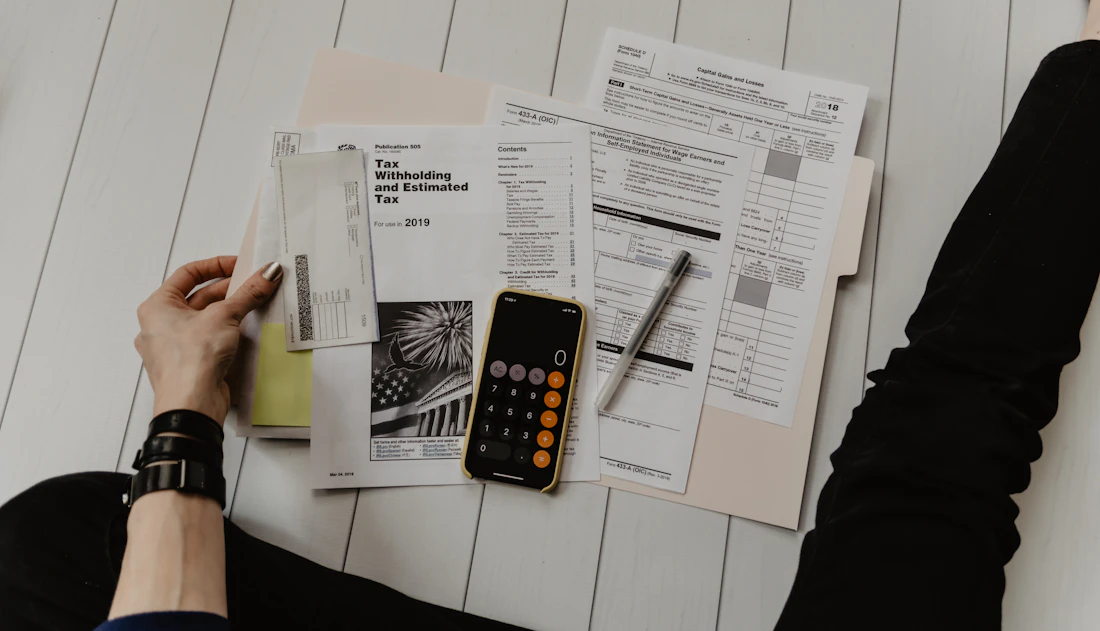
4. Proof of lost income
If you miss work, keep:
- Pay stubs
- Employer letters
- Tax records if self-employed
- Disability slips
- Time-off records
Economic losses like medical bills and wage loss are different from pain and suffering. That distinction matters under Civil Code § 1431.2, especially if more than one defendant may share fault.
5. Police report and any DMV reporting
Request the police report as soon as it becomes available. Also remember that California DMV reporting rules may apply in some crashes. The DMV lists financial responsibility minimums of $30,000/$60,000/$15,000, which can affect insurance discussions if available coverage is limited.
6. A pain and recovery journal
Keep a simple daily log. Note pain levels, mobility limits, missed events, sleep problems, and emotional effects.
That journal can help explain non-economic harm in real-life terms.
7. Preservation letters
If a bus, commercial vehicle, city camera, or private business camera may have captured the crash, a prompt preservation request may help protect video and records. This can be especially important when a public entity may be involved.
What happens after a lawsuit is filed?
If a claim cannot be resolved informally and a lawsuit is filed, California’s discovery rules allow formal evidence gathering. That can include interrogatories under CCP §§ 2030.010 et seq., document requests under CCP §§ 2031.010 et seq., depositions, and requests for admission.
California also limits specially prepared interrogatories to 35 in many situations under CCP § 2030.030, although form interrogatories may also be used. These tools help uncover phone use, vehicle data, maintenance records, and witness statements.
When do California deadlines apply to your injury claim?
Deadlines can make or break a pedestrian injury claim. Missing the wrong deadline can mean losing the right to pursue compensation.
The usual deadline for a California personal injury lawsuit is 2 years from the date of injury under Code of Civil Procedure § 335.1. In many crosswalk cases, that is the basic rule.
The standard 2-year deadline
If a private driver hit you, you will often be looking at the 2-year statute of limitations. But waiting is risky.
Important evidence can disappear long before the filing deadline, including:
- Surveillance footage
- Witness memory
- Vehicle damage photos
- Phone data
- Intersection records
The much shorter 6-month government claim deadline
If a public entity may be involved, the timeline can be much shorter. A claim is generally due within 6 months under Government Code § 911.2 before a lawsuit can move forward.
This issue may come up if the crash involved:
- A city or county vehicle
- A public bus
- A dangerous signal issue
- A roadway design problem
- Poor maintenance at a public intersection
People are often surprised by this deadline. They think, “I have 2 years.” In some cases, they do not.
Why timing matters even before filing
Early action helps preserve proof and clarify the theory of the case. In a fact-heavy crosswalk claim, timing often affects whether you can show:
- You were in a marked or unmarked crosswalk
- The driver failed to yield under Vehicle Code § 21950
- You were partly at fault, if at all
- A public entity may share responsibility
If you are unsure which deadline applies, reviewing the facts early can help you avoid a preventable problem. Default site can evaluate whether the issue looks like a standard injury claim, a government claim, or both. You can also start with our contact page or read more about personal injury claims.
Can you recover damages if you were partly at fault?
Yes, often you can. California’s pure comparative negligence rule means partial fault does not automatically bar recovery.
This is a big issue in pedestrian cases. Drivers and insurers often argue the pedestrian:
- Crossed outside the lines
- Entered suddenly
- Looked at a phone
- Wore dark clothing
- Ignored a signal
Even if some of that is true, the question is usually not “zero or all.” The question is how fault should be divided.
How damages may be reduced
If total damages are valued at $250,000 and a pedestrian is found 20% at fault, the recoverable amount would generally be reduced by 20%. If total damages were $100,000 and fault were 40%, the reduction would generally be 40%.
Those are only examples. They show how the rule works.
What damages may be available?
In a California pedestrian injury case, damages may include:
- Medical expenses
- Future treatment costs
- Lost wages
- Reduced earning ability
- Pain and suffering
Under Civil Code § 1431.2, non-economic damages such as pain and suffering are generally several, not joint, among multiple defendants. Economic damages are treated differently under California fault principles.
Why partial fault arguments should be taken seriously
Comparative fault arguments can change the value of a claim. They can also affect settlement discussions early on.
That is why details matter, including:
- Whether you were inside the crosswalk
- Whether it was marked or unmarked
- Signal timing
- Driver speed
- Lighting
- Visibility
- Distraction by either person
General information can help you understand the process, but each case turns on its own facts.
Most personal injury cases are handled on a contingency fee basis — meaning no fee unless we recover for you.
If you were hurt in a crosswalk collision and need help understanding next steps, Default site may be able to help through a free consultation. If you want to move forward, call now.
Frequently Asked Questions
What should I do right after a crosswalk accident in California?
Get medical care, call 911, report the crash, gather driver and witness information, and take photos of the scene and your injuries. Save medical records, receipts, and proof of missed work. Early evidence often matters in showing fault and damages.
Does a driver have to yield to a pedestrian in a California crosswalk?
Generally, yes. Vehicle Code § 21950 says a driver must yield to a pedestrian in a marked crosswalk or an unmarked crosswalk at an intersection. Drivers must also use reasonable care, but pedestrians still have a duty to use due care for their own safety.
What if I was hit outside a marked crosswalk?
You may still have a claim. Vehicle Code § 21954 generally requires pedestrians outside a crosswalk to yield to vehicles, but drivers still must use ordinary care under § 1714 and may not drive carelessly or at an unsafe speed. California comparative fault rules can allow recovery even if fault is shared.
How long do I have to file a pedestrian injury lawsuit in California?
Usually 2 years from the date of injury under Code of Civil Procedure § 335.1. If a public entity may be involved, a government claim is generally due within 6 months under Government Code § 911.2. Different facts can change deadlines, so prompt review is important.
Can I still recover compensation if I was partly at fault?
Often, yes. California follows pure comparative negligence under Li v. Yellow Cab Co. (1975) 13 Cal.3d 804. Your damages are generally reduced by your share of fault, rather than barred completely.
Free consultation with Default site
Discuss your case — no obligation, no cost.